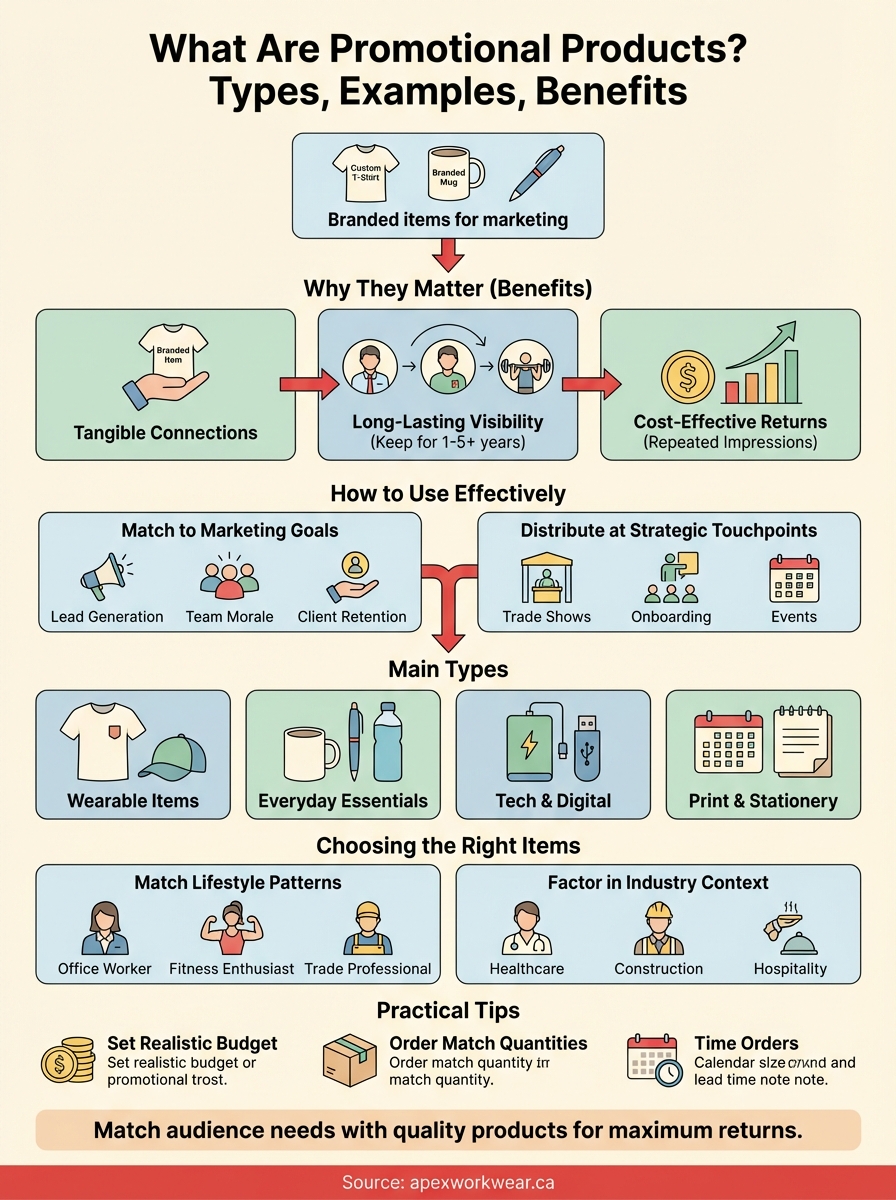
Promotional products are branded items you give away or sell to promote your business. Think custom T-shirts, pens with your logo, branded tote bags, or coffee mugs featuring your company name. These tangible marketing tools put your brand directly into people’s hands and keep it visible long after a trade show ends or a new client signs on. Unlike digital ads that disappear with a scroll, a well-chosen promotional item becomes part of someone’s daily routine.
This guide breaks down everything you need to know about promotional products for Canadian businesses. You’ll discover why they consistently outperform many digital marketing tactics, learn which types deliver the best results for different business goals, and get practical advice on choosing items your audience will actually keep and use. We’ll cover budget considerations, timing strategies, and how to avoid common mistakes that waste money on items that end up in the bin. Whether you’re ordering your first batch of branded merchandise or looking to improve your existing promotional strategy, you’ll find clear, actionable insights to make every dollar count.
Why promotional products matter
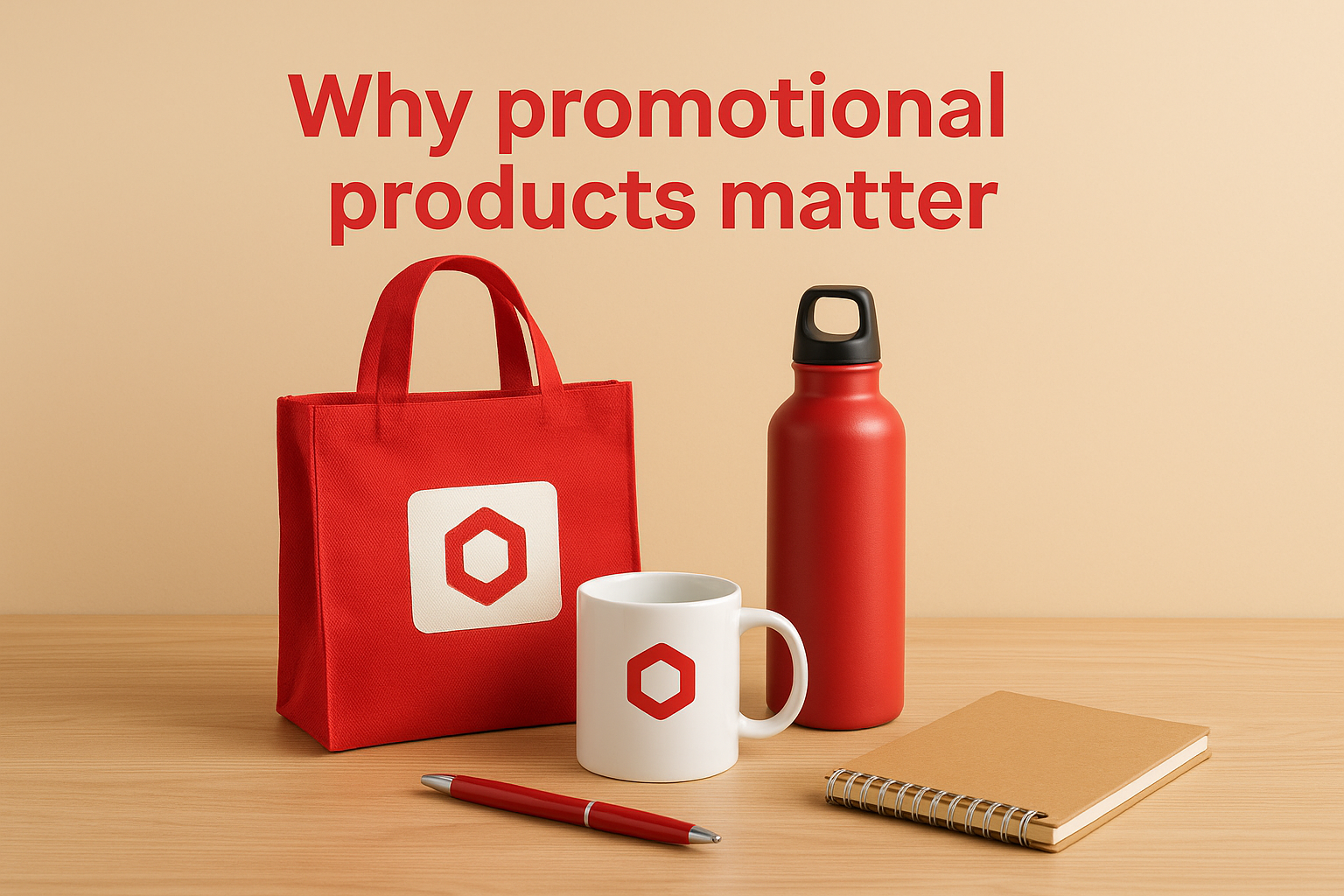
Promotional products create tangible connections between your brand and your audience in ways digital marketing cannot replicate. When someone receives a useful branded item, they keep it, use it, and see your logo repeatedly over months or even years. This repeated exposure builds familiarity and trust without the need for constant advertising spend. A single promotional product can generate thousands of impressions throughout its lifespan, making it one of the most cost-efficient marketing investments you can make.
Long-lasting brand visibility
Your promotional items work for you 24 hours a day, appearing in offices, homes, gyms, and public spaces where traditional advertising rarely reaches. A branded water bottle travels to meetings, workouts, and commutes, exposing your business to new potential customers every time someone uses it. Research shows that consumers keep promotional products for an average of one to five years, with many items lasting even longer when they provide genuine utility.
Promotional products generate more impressions per dollar than almost any other marketing channel.
Physical items also trigger emotional responses that screens cannot match. When you give someone a quality product they find useful, they associate those positive feelings with your brand. This emotional connection translates into loyalty and word-of-mouth referrals that money cannot buy through paid advertising alone.
Cost-effective marketing returns
Promotional products deliver exceptional value compared to digital ads that disappear seconds after someone scrolls past them. A £2 pen might generate 3,000 impressions over its lifetime, making each brand exposure cost a fraction of a penny. Digital ads typically cost several pounds per thousand impressions, with no guarantee anyone will remember your brand afterward.
Canadian businesses benefit from measurable results when they distribute promotional items strategically. Customers who receive promotional products report higher brand recall and greater likelihood of doing business with that company compared to those who only see online ads. Your investment continues working long after the initial distribution, creating compounding returns that improve over time.
How to use promotional products effectively
Understanding what are promotional products is only the first step; deploying them strategically determines whether they deliver results or waste your budget. You need to match each item to a specific business objective rather than ordering products simply because they seem popular or affordable. Every promotional piece should serve a clear purpose in your marketing strategy, whether that means generating leads at trade shows, thanking loyal customers, or building team morale among your employees.
Align items with specific marketing goals
Start by defining what you want to achieve before browsing product catalogues. If you’re recruiting new employees, high-quality branded apparel creates a sense of belonging and turns your team into walking advertisements. When launching a new service, useful items like branded notebooks or USB drives give prospects something tangible to remember your offering by. Customer retention campaigns work best with premium items that demonstrate appreciation, such as insulated travel mugs or quality pens that recipients will keep for years.
Your promotional strategy should also consider where recipients will use the items you distribute. Gym owners benefit from branded water bottles and towels that members use daily, creating constant visibility. Professional service firms gain more value from desk accessories and tech products that appear in office environments where decision-makers work. Matching the product to the environment ensures your brand appears in contexts that matter for your business.
Distribute at strategic touchpoints
Timing transforms promotional products from random giveaways into powerful marketing tools. Hand out branded items when recipients are most receptive, such as during onboarding processes, after successful project completions, or at industry events where you’ve already established a connection. New customers who receive a welcome gift in their first shipment feel valued and more likely to return for future purchases.

Strategic distribution at key moments multiplies the impact of every promotional item you invest in.
Event marketing requires immediate utility; people attending conferences need items they can use right away rather than products they’ll discard before reaching their hotel. Branded tote bags, charging cables, and notepads solve real problems during events while keeping your brand visible throughout the venue.
Main types of promotional products
Understanding what are promotional products means recognising that they fall into distinct categories, each serving different marketing purposes and appealing to specific audiences. The most effective promotional campaigns combine multiple product types to reach people in various contexts throughout their daily lives. Your choice depends on your industry, budget, and audience preferences, but certain categories consistently deliver strong results across sectors.
Wearable promotional items
Apparel and accessories create walking advertisements that extend your brand’s reach far beyond your immediate customer base. T-shirts, hoodies, caps, and polo shirts turn everyone who wears them into a brand ambassador, generating impressions in public spaces where traditional advertising cannot reach. Quality matters immensely here; recipients quickly discard poorly made garments whilst keeping premium apparel for years.

Branded hats and beanies work particularly well for Canadian businesses because they serve practical purposes during our cold winters whilst remaining visible in photos and social media posts. Bags and backpacks also fall into this category, accompanying users to work, gym sessions, and shopping trips where countless people see your logo every single day.
Everyday essentials
Drinkware, writing instruments, and similar items succeed because people use them constantly without thinking about alternatives. A branded pen sits on desks for months, appearing in every meeting and signing every document. Coffee mugs, water bottles, and travel tumblers become daily companions that recipients genuinely appreciate receiving.
Items people reach for every day create thousands of brand impressions without requiring any additional marketing effort.
These products work across all industries because everyone needs functional items regardless of their profession or interests. The key lies in selecting quality versions that recipients will choose over generic alternatives they already own.
Tech and digital products
Power banks, USB drives, phone accessories, and wireless chargers address modern needs that traditional promotional products cannot satisfy. These items command higher perceived value than pens or mugs, making them ideal for premium gifts to key clients or trade show prizes that generate genuine excitement.
Branded phone wallets, tablet cases, and laptop sleeves remain visible during business meetings where decision-makers work, placing your brand in professional contexts that build credibility. Tech products also appeal to younger demographics who might overlook traditional promotional items.
Print and stationery
Calendars, notepads, sticky notes, and desk organisers provide year-round visibility in office environments where your target customers make purchasing decisions. These traditional products still deliver results because they serve essential functions that digital tools cannot entirely replace.
Branded presentation folders, business card holders, and document cases help professionals stay organised whilst subtly promoting your business during client meetings and networking events.
How to choose the right items for your audience
Selecting promotional products that resonate requires understanding who will receive them and what role these items play in their daily routines. Generic giveaways that sit unused in drawers waste your budget, whilst thoughtfully chosen products become valued possessions that recipients use regularly. Your selection process should start with audience research rather than browsing product catalogues, focusing on what your specific customers actually need and want.
Match products to lifestyle patterns
Your audience’s daily activities reveal which promotional products they’ll genuinely use. Office workers benefit from desk accessories, quality pens, and tech organisers that solve real workplace challenges. Trade professionals appreciate practical items like high-visibility workwear, durable water bottles, and tools that withstand job site conditions. Fitness enthusiasts value gym bags, sports bottles, and moisture-wicking apparel that support their active lifestyles.
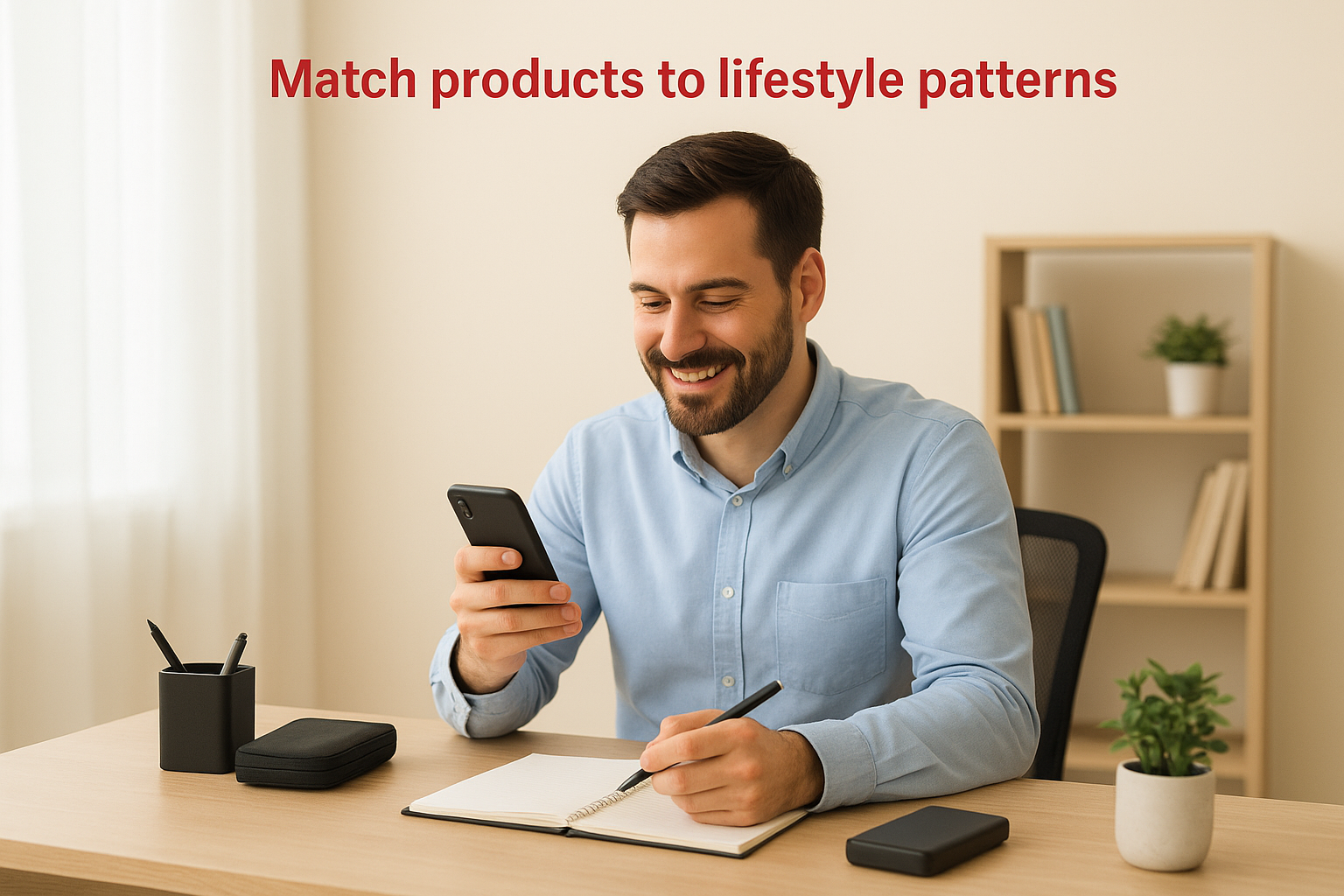
Products aligned with your audience’s daily routines generate exponentially more impressions than generic items that remain unused.
Demographics also influence preferences; younger audiences gravitate towards tech accessories and sustainable products, whilst established professionals often prefer premium traditional items that convey quality and sophistication. Survey your existing customers or analyse purchasing patterns to identify which product categories align with their preferences.
Factor in industry context
Different industries require distinct promotional approaches that reflect their professional environments. Healthcare providers succeed with items patients use during appointments, such as branded hand sanitiser or stress balls for waiting rooms. Construction companies gain visibility through safety equipment and workwear that employees need anyway. Restaurants and hospitality businesses benefit from drinkware and apparel that staff wear whilst serving customers.
Consider where recipients will display or use your promotional products. Items destined for professional settings should maintain a polished appearance that recipients feel comfortable using in client meetings. Products for casual environments allow more creative designs and bold branding that might seem inappropriate in formal business contexts.
Practical tips on budget, quantities and timing
Budget, quantities, and timing decisions determine whether your promotional product campaign delivers strong returns or wastes resources on items that never reach the right people. These practical considerations require careful planning before you place orders, yet many businesses rush through this stage and end up with excess inventory or insufficient quantities to achieve their marketing goals. Understanding what are promotional products includes knowing how to deploy them efficiently within realistic financial constraints.
Set realistic budget expectations
Promotional products span massive price ranges, from pens costing pennies to premium tech items exceeding £50 per unit. Your budget should reflect the perceived value you want to convey; client appreciation gifts demand higher quality than trade show handouts. Calculate your cost per recipient by including shipping, customisation, and design fees, not just the base product price that catalogue listings display.
Bulk ordering reduces per-unit costs significantly, but only order quantities you can realistically distribute within six months to avoid warehousing products that become outdated or damaged before use.
Order quantities that match your distribution plan
Calculate required quantities by mapping specific events and campaigns where you’ll distribute items rather than guessing based on vague future needs. Trade shows require enough inventory for expected attendance plus 20% buffer, whilst employee gifts need exact headcounts with minimal excess.
Precise quantity planning prevents both wasteful overordering and embarrassing shortages during critical distribution moments.
Time your orders for maximum impact
Allow three to four weeks for production and delivery of custom promotional products to avoid rushed shipping fees that inflate costs unnecessarily. Seasonal items require even longer lead times during peak ordering periods before Christmas and back-to-school seasons when suppliers face heavy demand.
Order smaller initial batches to test product quality and recipient response before committing to large quantities, especially when trying new product categories or suppliers.
Key takeaways for your brand
Understanding what are promotional products means recognising them as cost-effective marketing tools that deliver lasting brand visibility through everyday use. You gain maximum returns when you match items to your audience’s specific needs, distribute strategically at key business touchpoints, and invest in quality products recipients actually keep and value. Canadian businesses looking for custom promotional solutions can streamline their ordering process with professional printing and custom apparel services that handle everything from design assistance to fast turnaround times.